Dr. Magali Nehemy newly named Canada Research Chair
As Canada Research Chair (CRC) in Watershed Science and Climate Resilience (Tier 2), Dr. Nehemy will study how trees uptake, store and release water to better understand the resilience of our watersheds under a changing climate.

Meet the undergraduate students mapping medicine production in plants
Regan Nguyen and Yurika Oda traded textbook theory for lab discovery, helping develop sustainable and affordable alternatives for life-saving drugs under the guidance of Dr. Thu-Thuy Dang.

UBC Okanagan researcher helps unlock a new view of the early universe
A breakthrough by the Canadian Hydrogen Intensity Mapping Experiment (CHIME) is opening a powerful new way to study the universe’s expansion and the mystery of dark energy. Dr. Alex Hill is part of the team behind the discovery.
Read more about the research and its implications for our understanding of the cosmos.
Wildfire Research
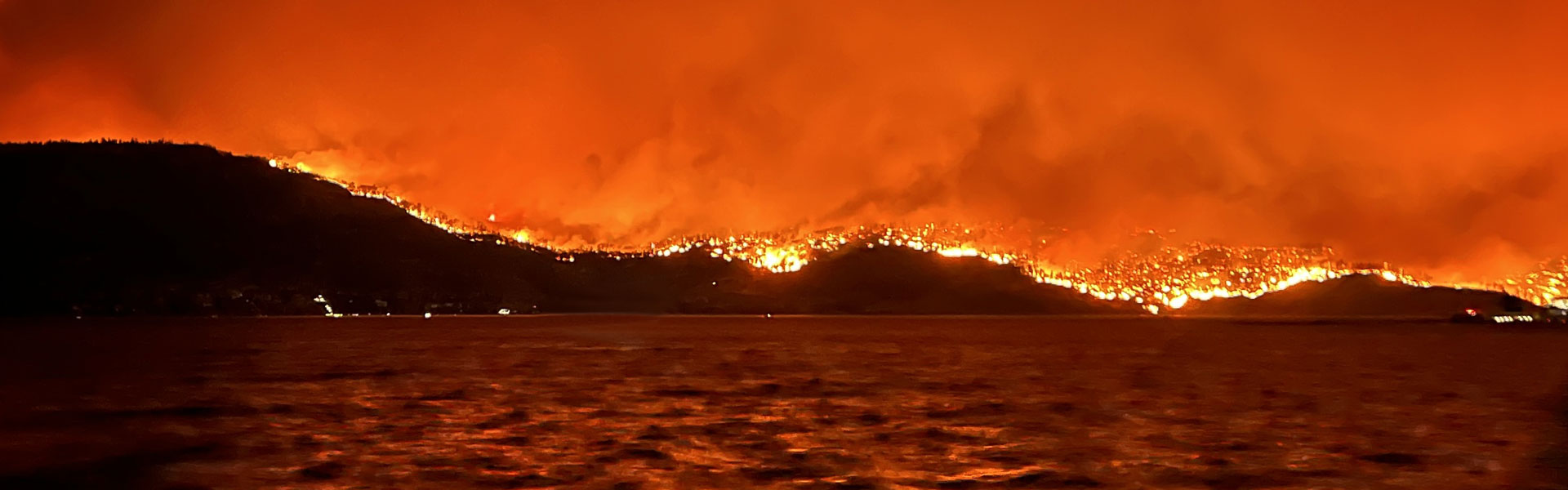
The Irving K. Barber Faculty of Science is home to several research and education programs designed in anticipation of, and response to, increasingly impactful wildfires.
Canadian Prescribed Fire Training Program
Strengthening Canada’s national capacity for the safe, effective use of prescribed fire in support of biodiversity, ecological and community resilience.

Featured Programs

NEW: Environmental Impact Assessment Micro-credential
This micro-credential offers practical training in Environmental Impact Assessment and the regulatory processes governing major development projects.
Bachelor of Sustainability
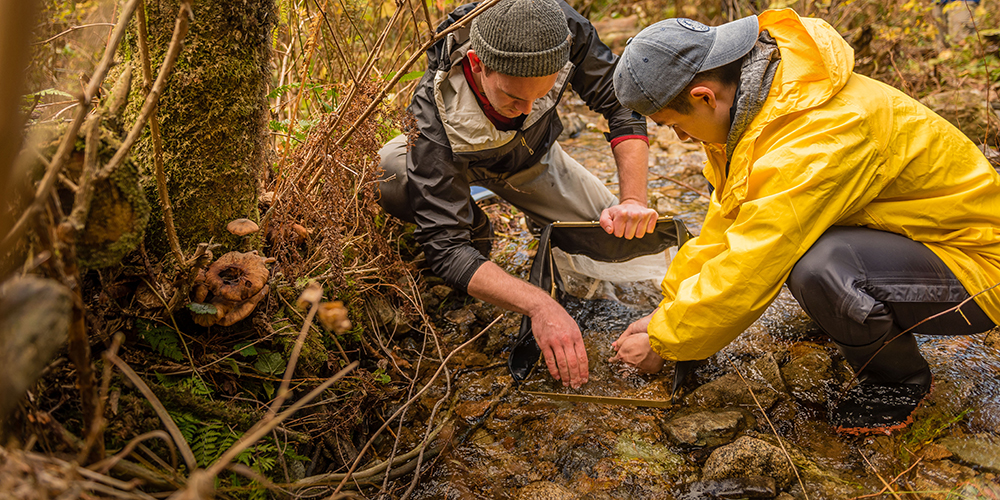
The Bachelor of Sustainability inspires students to understand and address complex environmental issues by integrating knowledge from different disciplines with hands-on and community-based learning.

Master of Biotechnology (MBtec)
A course-based Master’s program designed to equip students with the skills and knowledge needed to thrive in the Biotechnology industry.
Academic Departments
The Irving K. Barber Faculty of Science is organized into five departments that are responsible for the programs offered by our Faculty.